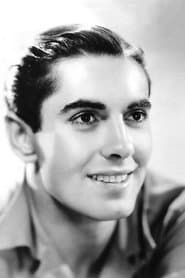
Tyrone Power
Born May 5, 1914 · Cincinnati, Ohio, USA
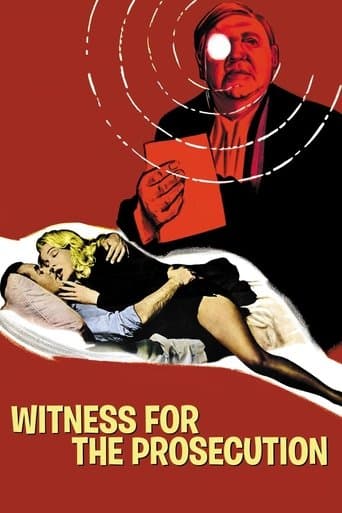
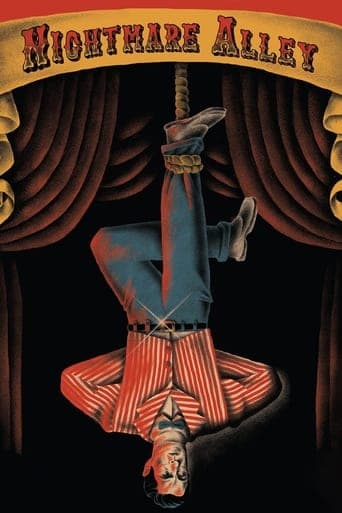
One of the great romantic swashbuckling stars of the mid-twentieth century, and the third Tyrone Power of four in a famed acting dynasty reaching back to the eighteenth century. His great-grandfather was the first Tyrone Power (1795-1841), a famed Irish comedian. His father, known to historians as Tyrone Power Sr., but to his contemporaries as either Tyrone Power or Tyrone Power the Younger, was a huge star in the theater (and later in films) in both classical and modern roles. His mother, Patia Riaume (Mrs. Tyrone Power), was also a Shakespearean actress as well as a respected dramatic coach. Tyrone Edmund Power, Jr., (also called Tyrone Power III; May 5, 1914 - November 15, 1958) was born at his mother's home of Cincinnati, Ohio, in 1914. A frail, sickly child, he was taken by his parents to the warmer climate of southern California. After his parents' divorce, he and his sister Anne Power returned to Cincinnati with their mother. There he attended school while developing an obsession with acting. Although raised by his mother, he corresponded with his father, who encouraged his acting dreams. He was a supernumerary in his father's stage production of 'The Merchant of Venice' in Chicago and held him as he died suddenly of a heart attack later that year. Startlingly handsome, young Tyrone nevertheless struggled to find work in Hollywood. He appeared in a few small roles, then went east to do stage work. A screen test led to a contract at 20th Century Fox in 1936, and he quickly progressed to leading roles. Within a year or so, he was one of Fox's leading stars, playing in contemporary and period pieces with ease. Most of his roles were colorful without being deep, and his swordplay was more praised than his wordplay. He served in the Marine Corps in World War II as a transport pilot, and he saw action in the Pacific Theater of operations. After the war, he got his best reviews for an atypical part as a downward-spiraling con-man in Nightmare Alley (1947). Although he remained a huge star, much of his postwar work was unremarkable. He continued to do notable stage work and also began producing films. Following a fine performance in Billy Wilder's Witness for the Prosecution (1957), Power began production on Solomon and Sheba (1959). Halfway through shooting, he collapsed during a dueling scene with George Sanders, and he died of a heart attack before reaching a hospital.
Notable Appearances
More Movies
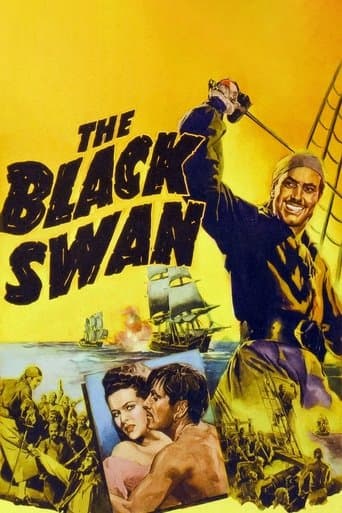
The Black Swan
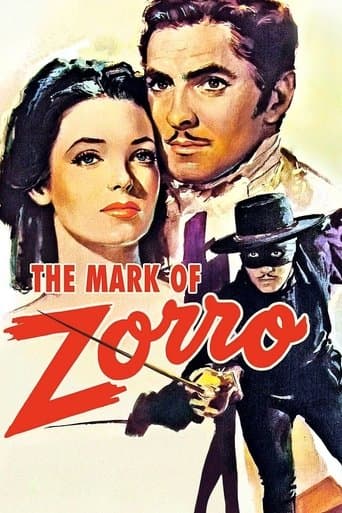
The Mark of Zorro
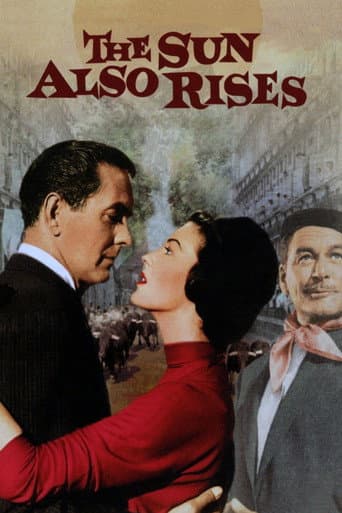
The Sun Also Rises
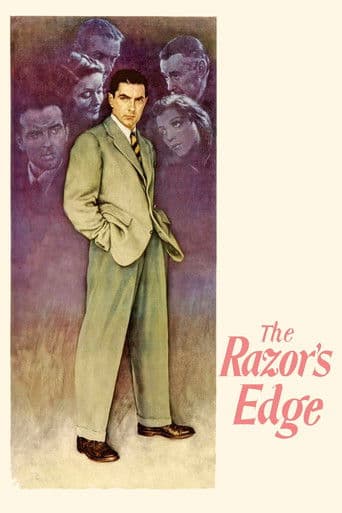
The Razor's Edge
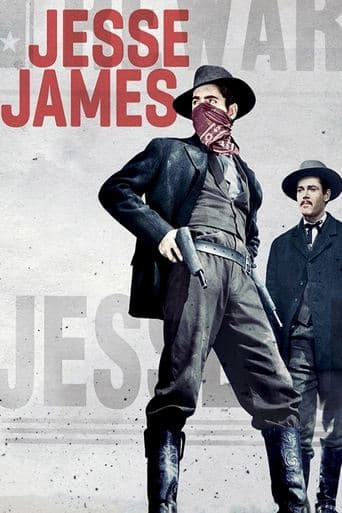
Jesse James
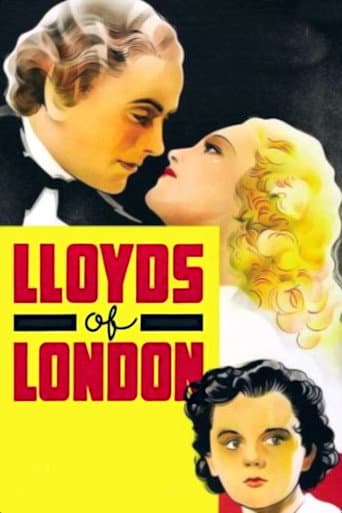
Lloyd's of London
The Eddy Duchin Story
The Silver Screen: Color Me Lavender
Brother, Can You Spare a Dime?
The Long Gray Line
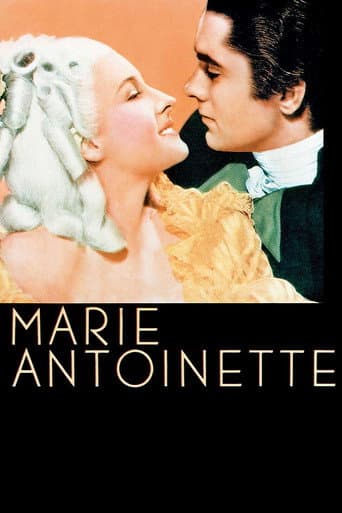
Marie Antoinette
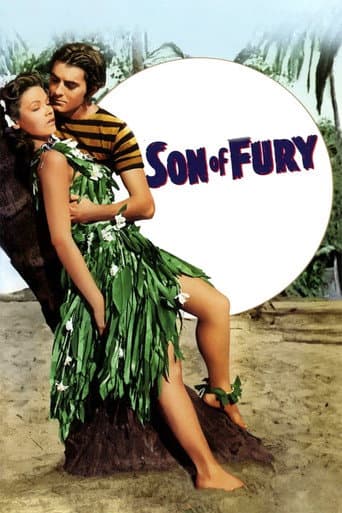
Son of Fury: The Story of Benjamin Blake
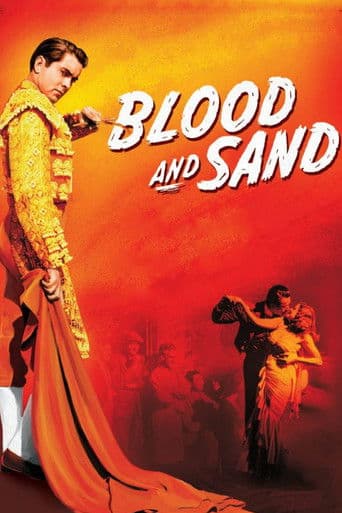
Blood and Sand
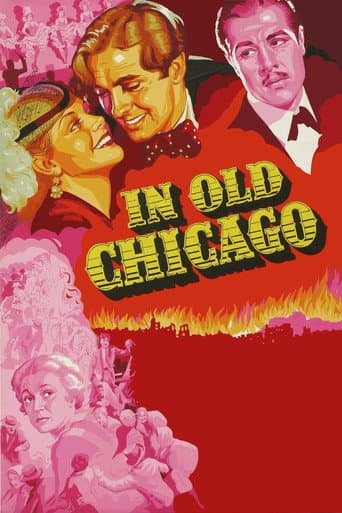
In Old Chicago
The Adventures of Errol Flynn
A Yank in the R.A.F.
Anthony Quinn: An Original
Brigham Young
Oops, Those Hollywood Bloopers!
The Mississippi Gambler
King of the Khyber Rifles
Ali Baba Goes to Town
Hollywood Scandals and Tragedies
The Rising of the Moon
Showbiz Goes to War
American Guerrilla in the Philippines
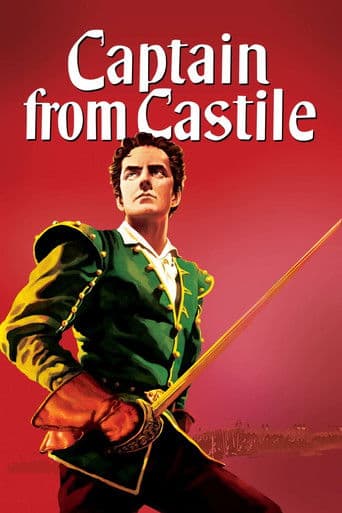
Captain from Castile
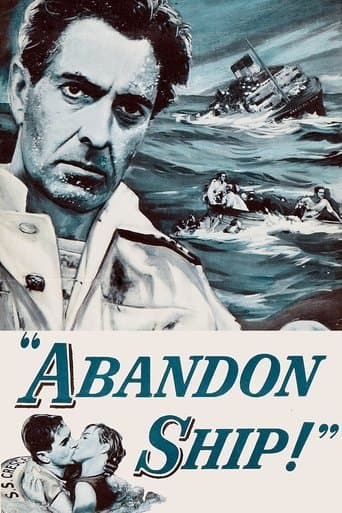
Seven Waves Away
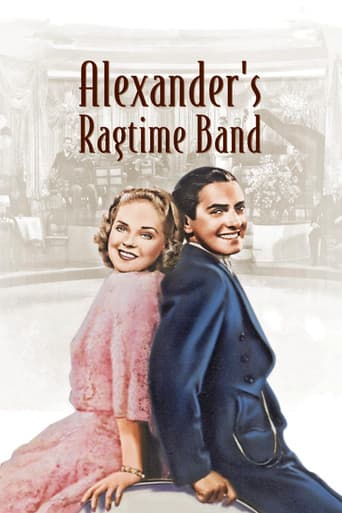
Alexander's Ragtime Band
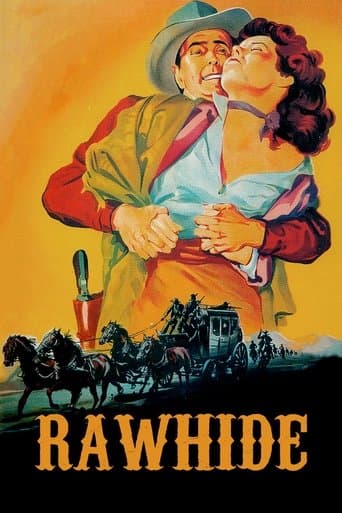
Rawhide
Hollywood: The Dream Factory
That Wonderful Urge
Love Is News
Johnny Apollo
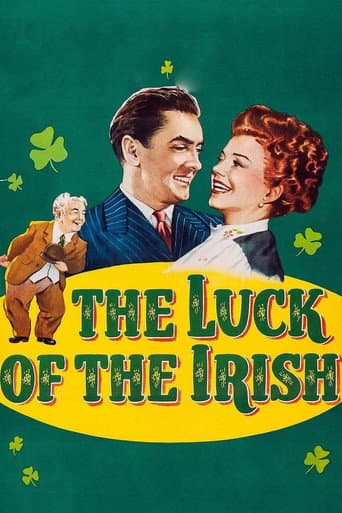
The Luck of the Irish
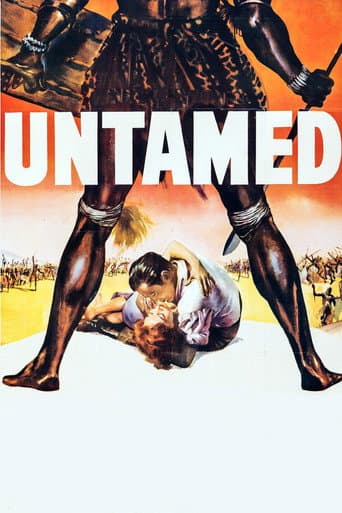
Untamed
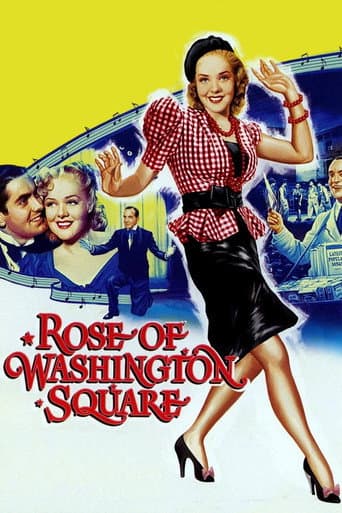
Rose of Washington Square
Show-Business at War
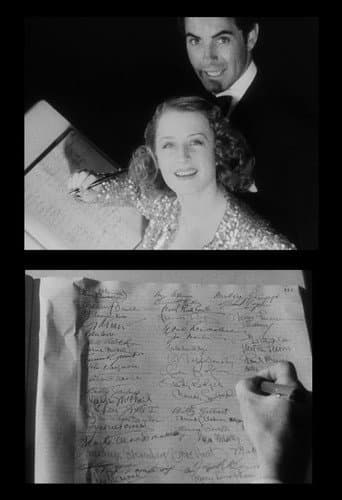
Hollywood Goes to Town
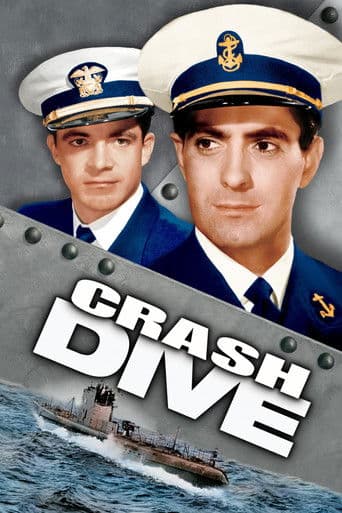
Crash Dive
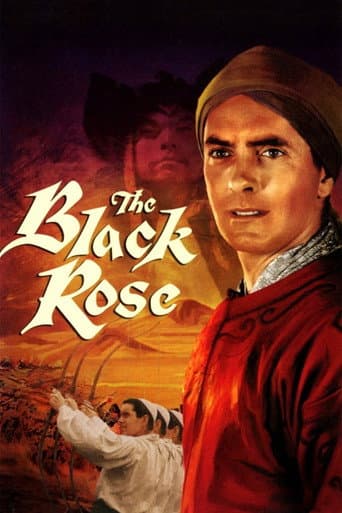
The Black Rose
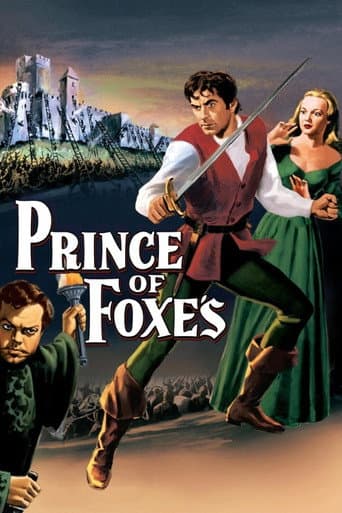
Prince of Foxes
Screen Snapshots (Series 16, No. 1)
This Above All
Lusitanian Illusion
The Rains Came
The House in the Square
Hollywood Heaven: Tragic Lives, Tragic Deaths
Sir John Mills' Moving Memories
Tom Brown of Culver
Flirtation Walk
Diplomatic Courier
Second Fiddle
Ladies in Love
The World's Most Beautiful Girls
The Many Faces of Zorro
Pony Soldier
Screen Snapshots Series 18, No. 8
Death In Hollywood
Death Scenes 2
Girls' Dormitory
Suez

Jornal Português (1938-1951)
The Red, White and Blue Line
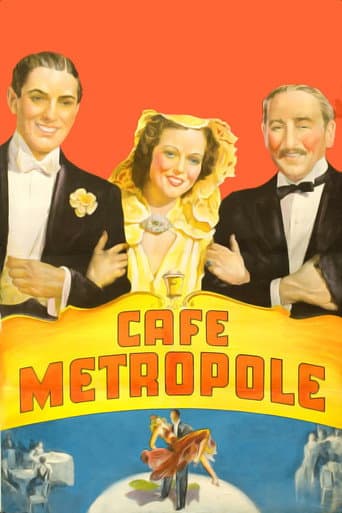
Café Metropole
Hollywood Hobbies
Screen Snapshots (Series 23, No. 1): Hollywood in Uniform
Three Of A Kind
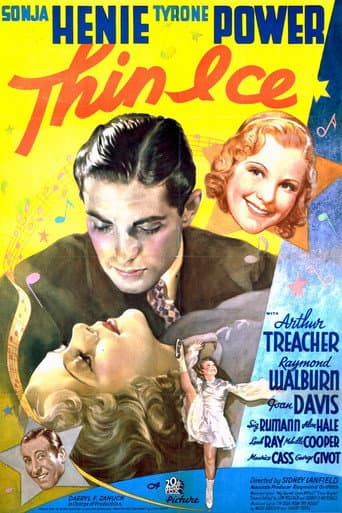
Thin Ice
Northern Frontier
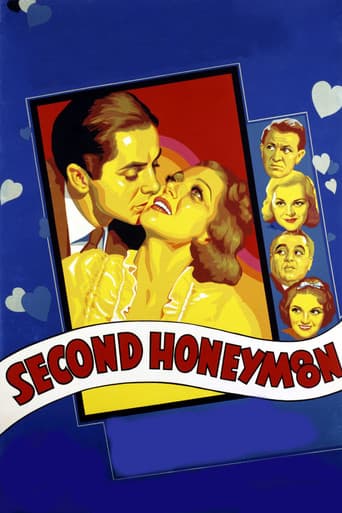
Second Honeymoon
Gay, Gay Hollywood
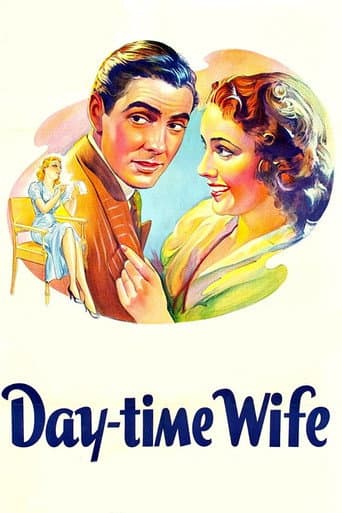
Day-time Wife